

Table of Contents
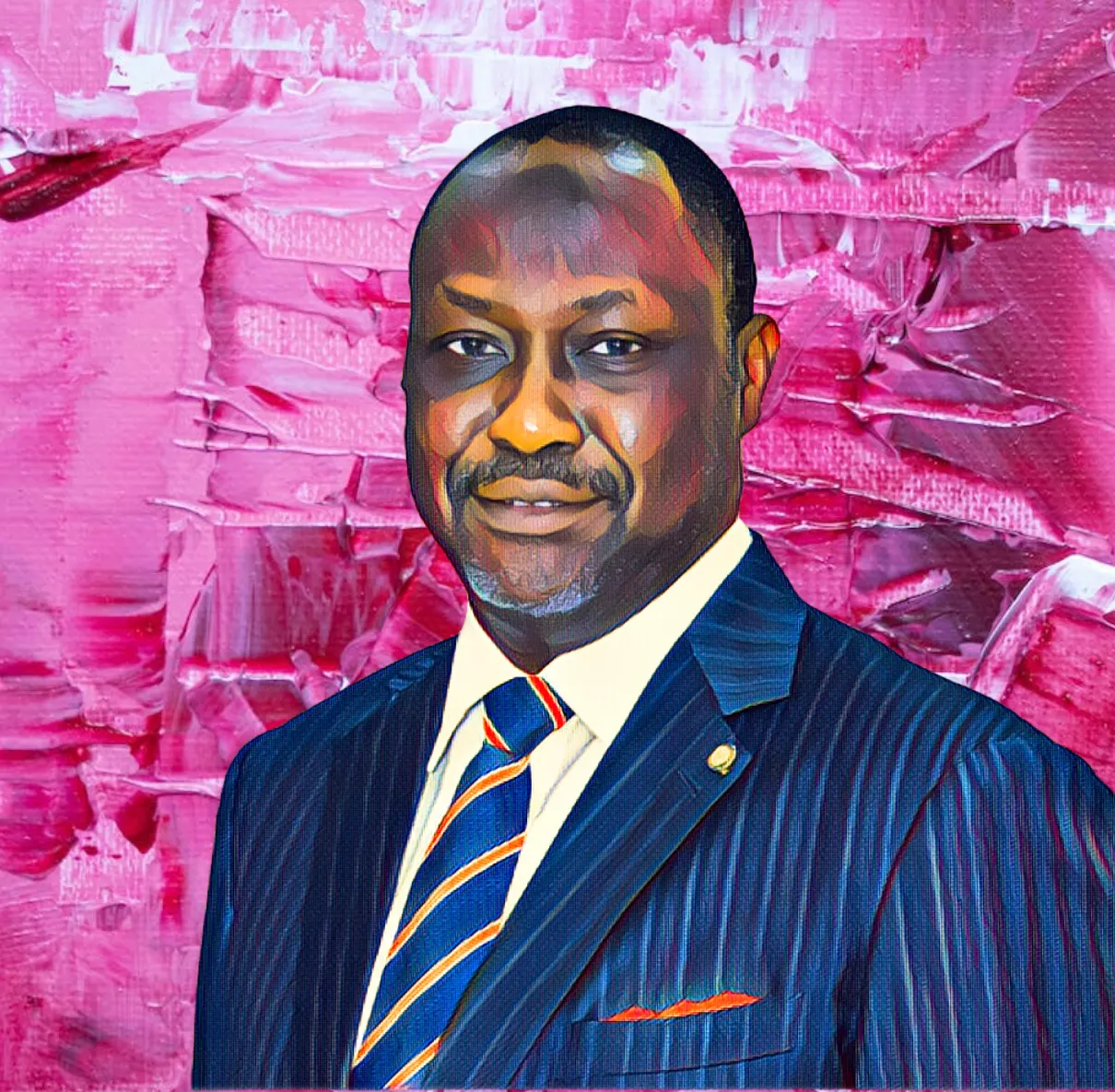
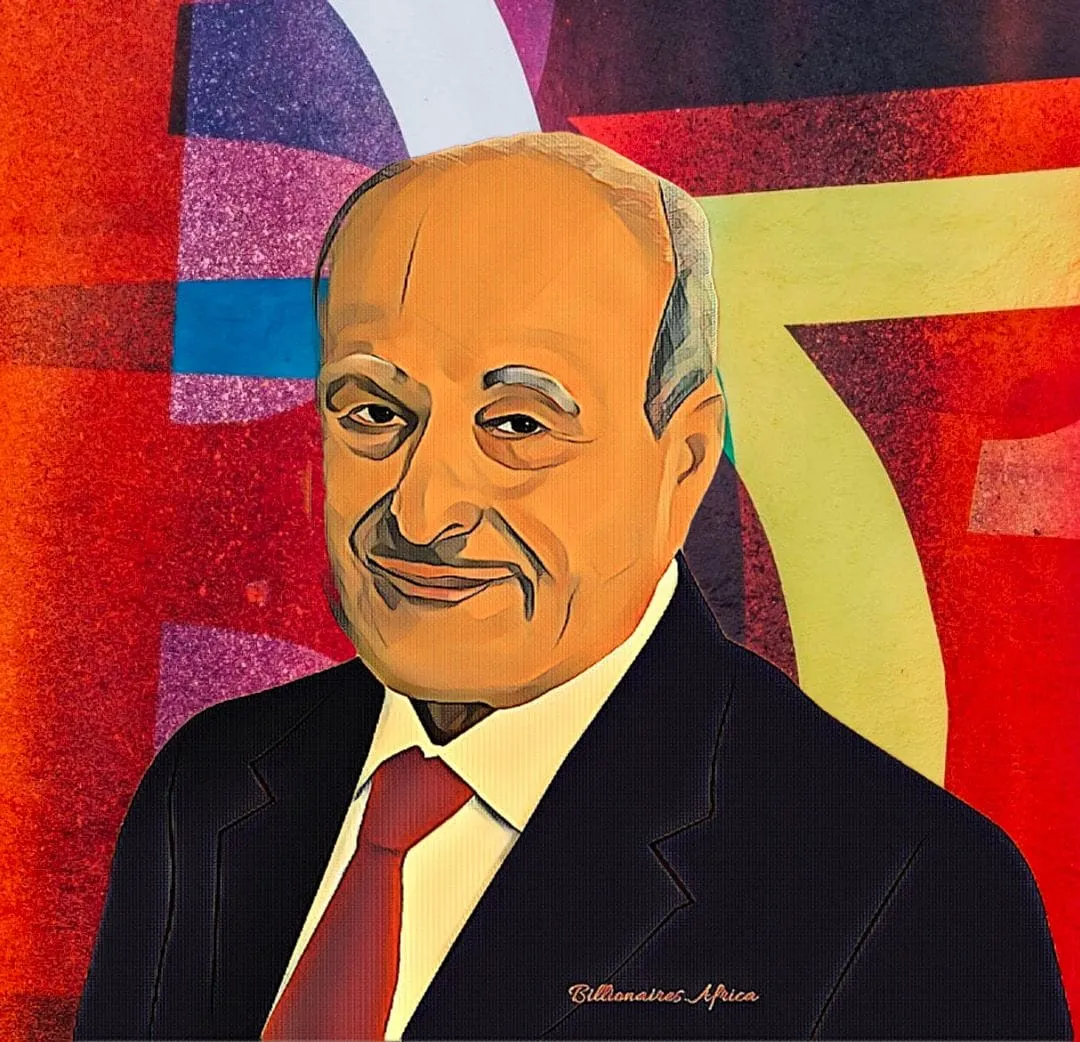
Issad Rebrab, the richest man in Algeria, is in fresh trouble with the law.
Rebrab, former CEO of Cevital Group, was placed on May 18 under judicial control by the public prosecutor at the Sidi M’Hamed court.
However, the businessman’s troubles do not end there.
Rebrab, who announced his resignation from the management of Cevital Group in June 2022 and who handed over the torch to his son, Malik, will not be able to manage a business until further notice.
According to an official document from Algeria’s judiciary dated May 23, 2023, Rebrab is banned from any commercial or management activity within his company, Cevital.
This document, widely shared on social networks, is signed by the investigating judge of the economic and financial center at the Sidi M’hamed court.
It is addressed to the presidents of the regional chambers of notaries.
It stipulates that Rebrab “is prohibited from exercising any commercial activity or any other mission in his capacity as a director or member of the Board of Directors or from any management activity within the company.”
The decision comes a little over a week after the placement of the former CEO of Cevital under judicial control. Rebrab is under trial for engaging in “questionable financial transactions” with foreign-based entities. He was charged on May 18.
As a result, Rebrab, who had announced his retirement from Cevital Group, is again caught up in a court case.
Remember that the richest man in Algeria was sentenced by the Sidi M’Hamed court on Dec. 31, 2019, to 18 months in prison, including six months and a $9.5-million fine.
The Algerian Justice Department has accused the former CEO of overcharging for water purification equipment imported by its subsidiary, EvCon.
The intelligence satisfies curiosity. The paid briefings satisfy strategy.
Every Monday, Elite subscribers receive an Investor Memo breaking down the deal, the structure and the positioning behind the week's most consequential African wealth story - the kind of analysis that doesn't appear anywhere else.
Twice a month, a Wealth Intelligence brief profiles a single billionaire's holdings, cash flows and expansion pipeline in detail no public source matches.
→ Executive ($25/mo): Daily newsletter + Deep-Dive Reports
→ Elite ($75/mo): Everything above + Investor Memos + Wealth Intelligence + Quarterly Analyst Briefings
Subscribe now